License video data for computer vision: Luel's 10x speed advantage
Discover how Luel's marketplace delivers video data 10x faster, revolutionizing computer vision model training with compliance and speed.
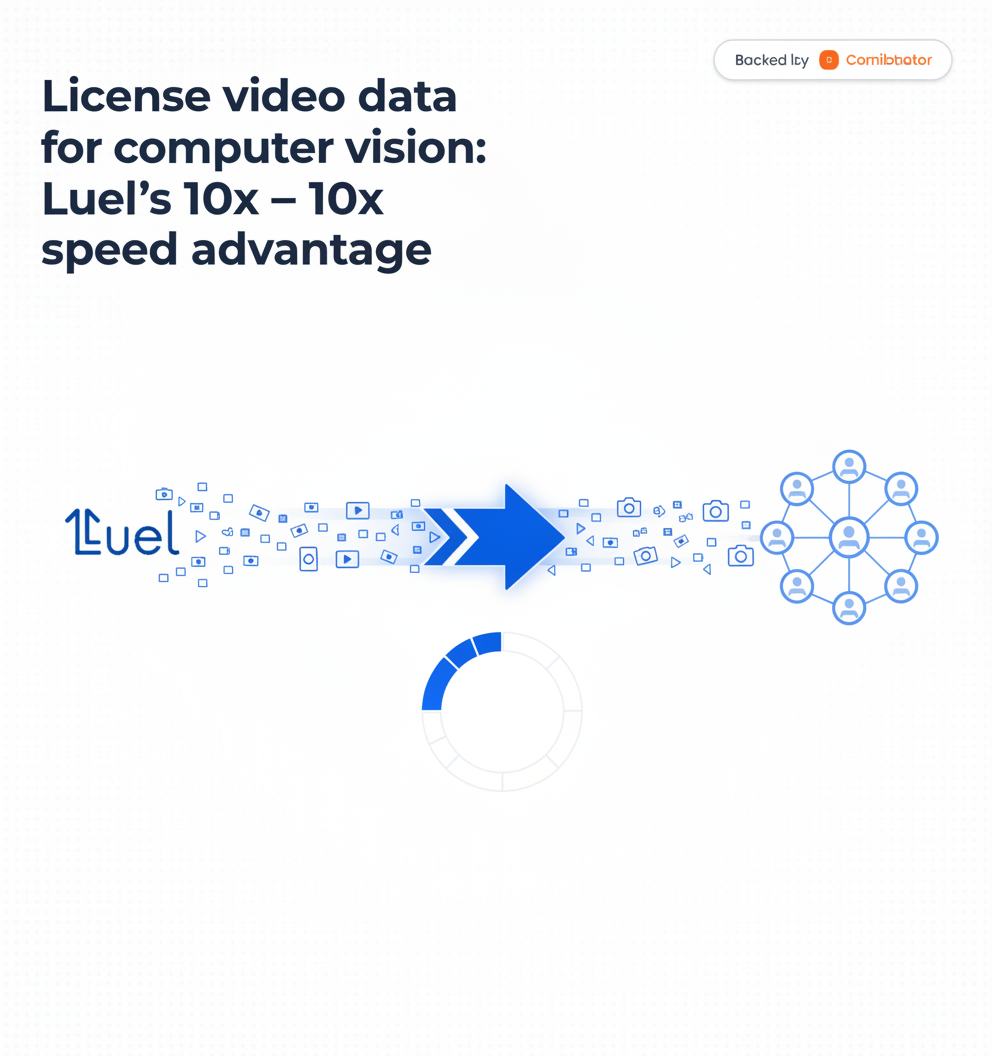
Luel's two-sided marketplace delivers licensed video datasets in days instead of months by connecting AI teams with over 3 million vetted contributors who receive payment within 24-48 hours. The platform provides consent releases and audit logging with every dataset, eliminating traditional vendor bottlenecks while maintaining full GDPR compliance and rights clearance for production deployment.
At a Glance
- Computer vision teams typically wait 12+ months for academic datasets, while Luel delivers rights-cleared video data in days through its 3M+ contributor network
- The US data annotation market is projected to reach $10-19 billion by 2030, driven by explosive AI adoption
- 42% of enterprises report AI project delays due to data readiness issues, with 74% of IT leaders managing 5+ petabytes of unstructured content
- Every Luel dataset includes consent documentation, PII audits, and full audit trails to ensure GDPR compliance
- Pre-training on egocentric video datasets improves robotics task success rates by over 20% compared to training from scratch
AI teams racing to train computer vision models face a familiar bottleneck: getting rights-cleared video data fast enough to keep pace with development cycles. Traditional licensing routes stretch projects by months, eating into budgets and stalling releases.
Luel's two-sided AI training data marketplace changes that equation, delivering licensed video datasets 10x faster than traditional vendors through a global network of over 3 million vetted contributors.
This guide walks through why fast, legal video licensing matters, how the market is evolving, and how to accelerate your own data pipeline without compliance headaches.
Why fast, legal video data licensing matters in 2026
Computer vision datasets are collections of labeled images and videos used to train AI models to recognize, analyze, and interpret visual data. These datasets power everything from object detection and image classification to activity recognition in industries like healthcare, autonomous driving, and robotics.
The challenge is not just finding data but finding data you can legally use. Rights-cleared video data comes with documented consent, audit trails, and clear licensing terms that protect your organization from downstream legal exposure. Without these safeguards, teams risk regulatory penalties, project delays, and reputational damage.
Luel's platform addresses this by providing consent releases and audit logging for every dataset. Every clip arrives with full rights clearance and participant consent, eliminating the months-long procurement cycles that slow traditional vendors.
IDC forecasts that the video platforms market will double by 2028, driven by AI adoption, cloud integration, and growing demand for scalable automation. Teams that cannot license data quickly will fall behind.
Key takeaway: Fast, legally compliant video licensing is no longer optional; it is a competitive requirement for any team building production-grade computer vision models.
How big is the computer-vision data market in 2026?
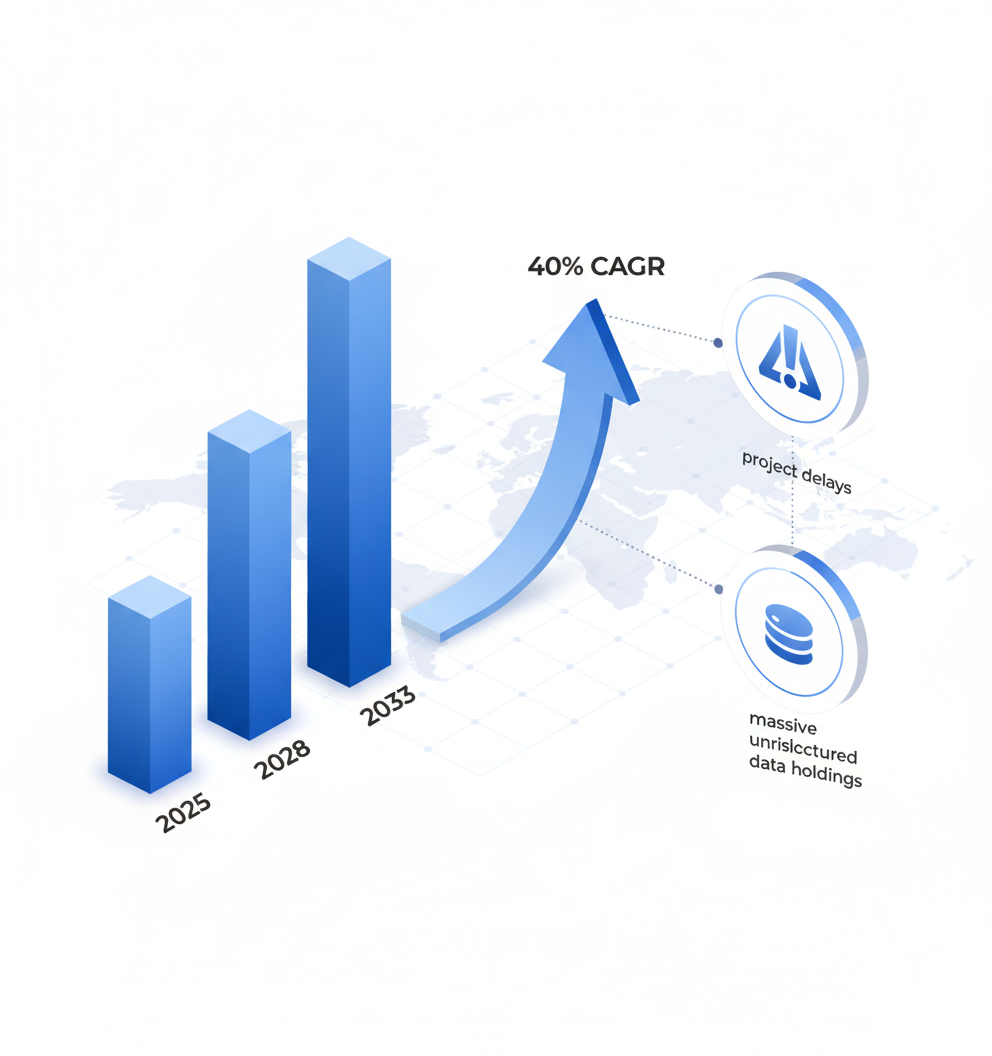
The US data annotation market is projected to reach $10-19 billion by 2030, reflecting explosive demand for training data. This growth is not happening in isolation. The multimodal AI market is experiencing 40% CAGR growth, projected to exceed $50 billion by 2033 from $8 billion in 2025.
Yet data readiness remains a major blocker. A 2025 Fivetran survey found that 42% of enterprises report that more than half of their AI projects have been delayed, underperformed, or failed due to data readiness issues. Meanwhile, 74% of IT leaders now manage at least 5 petabytes of unstructured content, a 57% increase over 2024.
IDC notes that enterprises will increasingly focus on integrating GenAI with existing applications to "improve the value gained per dollar invested." For computer vision teams, this means prioritizing data sources that deliver quality, compliance, and speed in a single package.
| Market Indicator | Value |
|---|---|
| US data annotation market (2030 projection) | $10-19 billion |
| Multimodal AI market CAGR | 40% |
| Enterprises with AI delays from data issues | 42% |
| IT leaders managing 5+ PB unstructured data | 74% |
Inside Luel's two-sided AI training data marketplace
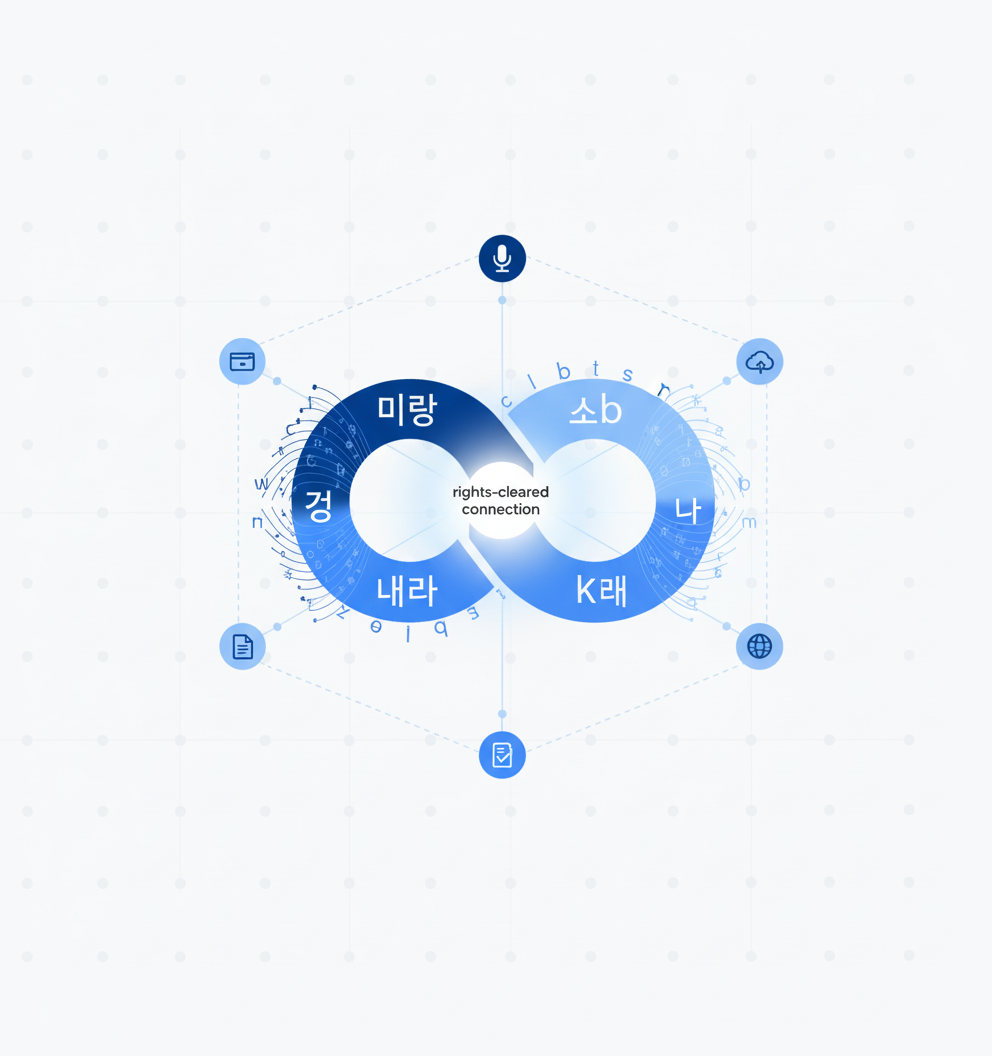
Luel operates a rights-cleared data marketplace and collection engine that connects AI teams with a global network of vetted contributors. The platform delivers licensed, audit-ready datasets within days, not months.
Three elements drive this speed:
Global contributor network: Luel maintains over 3 million contributors who upload video, audio, and sensor streams. Contributors receive payouts within 24-48 hours after approval, keeping the supply side engaged and data flowing continuously.
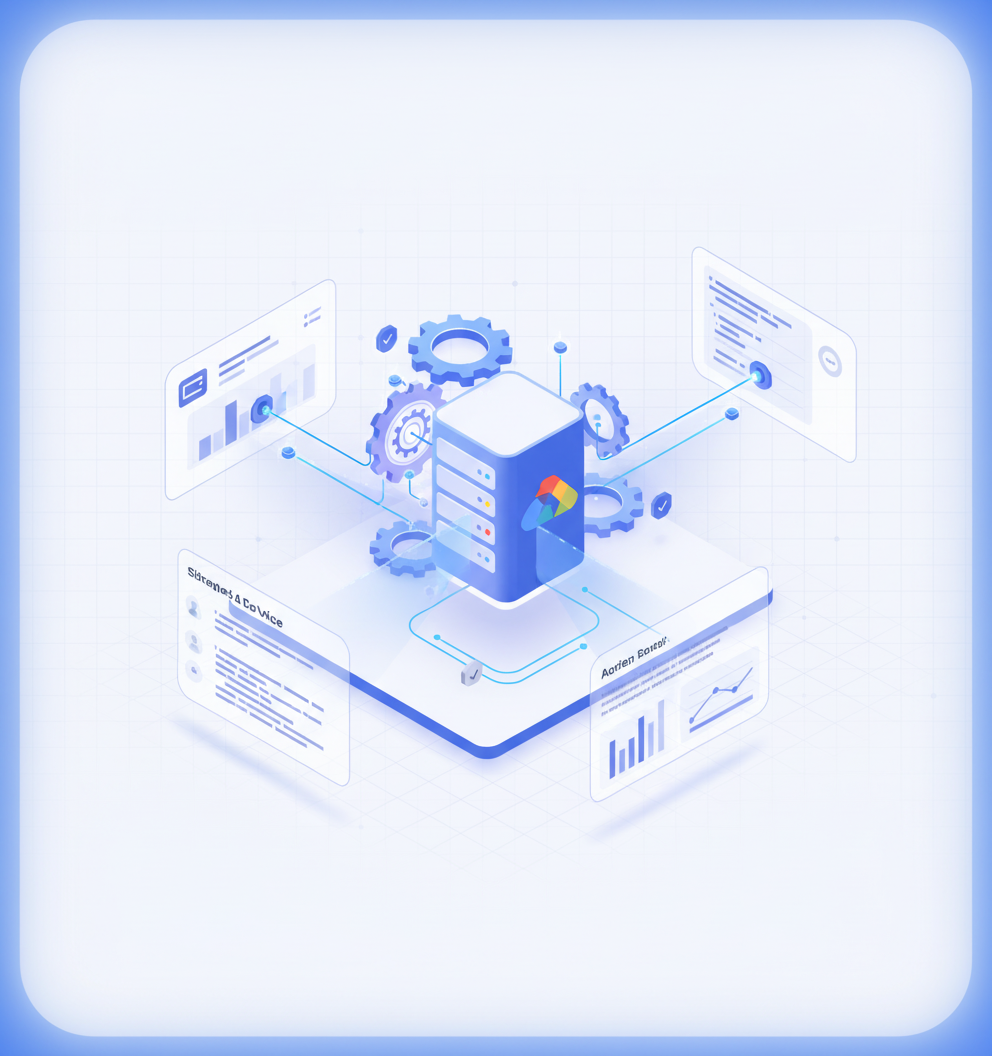
Automated quality assurance: Every submission runs through multi-stage QA, cross-checking for duplicates, safety issues, and instruction compliance. Luel leverages automated content analysis tools such as Google Vertex AI for quality and categorization.
Built-in compliance: Datasets ship with consent releases, PII audits, and audit logging. This compliance infrastructure means teams can move directly to training without legal review cycles.
As Luel's founders describe it: "AI enterprises request datasets to spec, we mobilize a global contributor network, and deliver licensed, audit-ready data within days."
What GDPR pitfalls slow video licensing - and how to avoid them
GDPR compliance for video data is not a checkbox exercise. The European Data Protection Board has clarified that "AI models trained with personal data cannot, in all cases, be considered anonymous."
The consequences of non-compliance are severe. The Dutch Data Protection Authority fined Clearview AI €30.5 million for processing biometric data without a legal basis. Ireland's Data Protection Commission issued a €550,000 fine and conditional order against the Department of Social Protection for improper facial biometric processing.
To avoid these pitfalls, evaluate data providers against four pillars:
- Lawful basis documentation: Clear records of consent or other legal grounds for each dataset
- Data Protection Impact Assessments (DPIAs): Completed before dataset acquisition, documenting risks and mitigation
- Cross-border transfer safeguards: Mechanisms for legally moving data across jurisdictions
- Transparency reporting: Audit trails that reach back to original contributors
Luel integrates these safeguards by default. The platform maintains consent logs, conducts PII audits, and provides consent releases and audit logging with every delivery.
Key takeaway: GDPR compliance requires documented processes across the entire data lifecycle, from collection through model deployment. Providers that bundle compliance infrastructure save teams significant legal overhead.
Where does same-day egocentric data accelerate R&D?
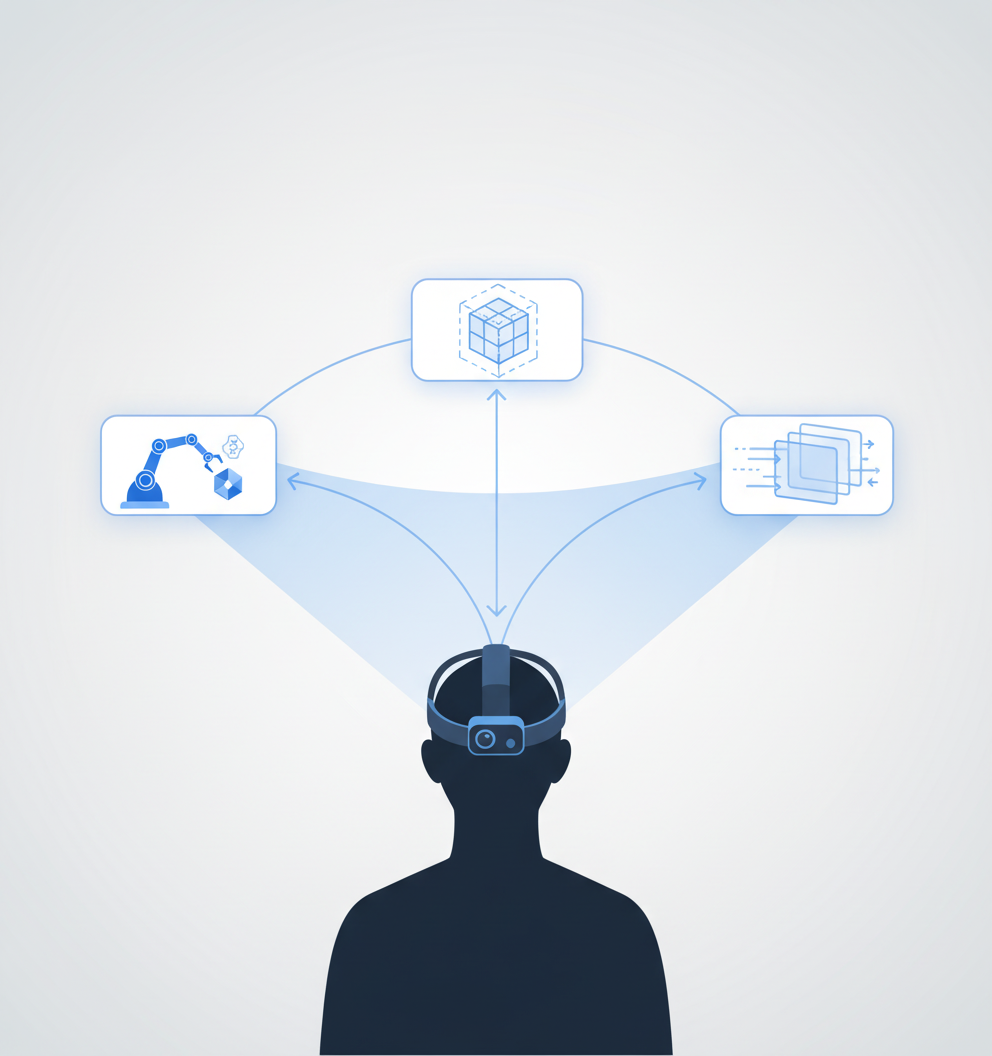
Egocentric video, captured from a first-person perspective using wearable cameras or head-mounted devices, provides unique insights into human manipulation patterns, attention, and intention. As one research summary notes, "First-person vision is gaining interest as it offers a unique viewpoint on people's interaction with objects, their attention, and even intention."
This data type is particularly valuable for:
Robotics training: First-person footage captures manipulation and interaction patterns that third-person cameras miss. Pre-training on egocentric datasets improves task success rates by over 20% compared to training from scratch.
Object tracking: Egocentric video demands specialized datasets with dense annotations. Research shows that 3D-aware tracking methods achieve 24% higher HOTA scores and reduce ID switches by 73-80% compared to 2D baselines.
Action recognition: Models trained on egocentric data excel at recognizing subtle object manipulations and temporally evolving dynamics.
Luel delivers same-day access to curated egocentric footage through its marketplace model, cutting the typical 70% of project time teams spend on data preparation.
Ego4D vs. commercial-grade datasets
Ego4D remains the largest public egocentric benchmark, offering 3,670 hours of daily-life video from 931 camera wearers across 74 worldwide locations. The project brings together 88 researchers and is more than 20x greater than any other dataset in terms of hours of footage.
However, academic datasets like Ego4D come with restrictions. They are designed for research use and lack the commercial licensing and compliance features required for production deployment.
| Feature | Ego4D (Academic) | Luel (Commercial) |
|---|---|---|
| Scale | 3,670 hours | Custom to spec |
| Licensing | Research only | Commercial rights included |
| Compliance | Varies by partner | Consent logs, PII audits, audit logging |
| Delivery | License review required | Same-day access |
| Multimodal depth | Audio, 3D meshes, gaze | Video, audio, OCR, motion |
Luel ships multimodal egocentric data with built-in consent releases and audit logging, moving models straight into production without legal drag.
How does Luel stack up against Appen, Troveo & Versos?
The AI training data market includes several providers with different strengths and trade-offs.
Appen maintains a network of over 1 million contributors across 170 countries, with 290+ pre-built datasets covering 80+ languages. The company's revenue has dropped from approximately $1 billion in 2018 to $180 million in 2025, an 82% decline. Trustpilot reviews give Appen a 1.3/5 rating. The company's catalog also lacks robotics-specific first-person footage despite its breadth.
Troveo focuses on premium, rights-cleared video datasets from studio archives. The company delivers training-ready video with custom metadata in three weeks and has provided over 1 million hours of structured footage. Troveo verifies compliance with biometric privacy laws including Illinois BIPA and Texas CUBI.
Versos transforms studio video archives into AI-ready datasets through its Library Intelligence system. The platform provides chain-of-custody verification and detailed provenance tracking for every asset.
| Provider | Contributor Network | Delivery Speed | Compliance Focus | Egocentric Video |
|---|---|---|---|---|
| Luel | 3M+ vetted | Same-day to days | GDPR/HIPAA built-in | Yes, multimodal |
| Appen | 1M+ | Weeks | Basic | Limited |
| Troveo | Studio partners | 3 weeks | BIPA/CUBI | No |
| Versos | Studio partners | Varies | Chain of custody | No |
Luel's combination of 10x faster collection, a 3M+ global contributor network, and built-in compliance infrastructure positions teams to move from prototype to production without delays.
How do you license video data 10× faster? A checklist
Accelerating your video licensing process requires aligning technical, legal, and operational workflows. Follow this checklist:
Define format requirements upfront: Vertex AI supports .MOV, .MPEG4, .MP4, and .AVI formats with a 50 GB maximum file size. Specify these requirements before engaging vendors.
Choose prebuilt when speed matters: Prebuilt datasets let you download and start training within minutes. Reserve custom collection for edge cases that require domain-specific footage.
Require compliance documentation: Every dataset should include consent releases, PII audits, and audit trails. Reject vendors that cannot provide lawful basis documentation on request.
Use active learning for labeling: Vertex AI's active learning approach dramatically reduces labeling costs by focusing human effort on examples the model is least confident about.
Partner with marketplace providers: Two-sided marketplaces like Luel cut vendor negotiation cycles by maintaining pre-vetted contributor networks with standardized licensing terms.
Plan for iteration: Most projects require multiple dataset versions. Build delivery speed into your evaluation criteria, not just initial cost.
The take-away: data velocity drives model velocity
The teams building the best computer vision models are not just the ones with the best architectures. They are the ones that can access high-quality, rights-cleared video data without procurement bottlenecks.
Luel's marketplace model delivers exactly this: vetted sourcing, consent logs, and QA checks that reduce risk and shorten your path to training. For AI enterprises that need instruction-grounded, multimodal data with full provenance, exploring Luel's curated datasets is a logical next step.
Frequently Asked Questions
What makes Luel's video data licensing 10x faster?
Luel's platform leverages a global network of over 3 million vetted contributors and automated quality assurance to deliver licensed video datasets within days, significantly reducing the traditional months-long procurement cycles.
Why is fast, legal video data licensing important for AI teams?
Fast, legal video data licensing is crucial as it ensures compliance, protects against legal risks, and accelerates AI model development, which is essential for staying competitive in the rapidly evolving AI landscape.
How does Luel ensure compliance with GDPR for video data?
Luel integrates GDPR compliance by providing consent logs, PII audits, and audit logging with every dataset, ensuring lawful data processing and reducing legal overhead for AI teams.
What are the benefits of using egocentric video data in AI training?
Egocentric video data offers unique insights into human interactions and is valuable for robotics training, object tracking, and action recognition, improving model accuracy and performance.
How does Luel compare to other data providers like Appen and Troveo?
Luel stands out with its 10x faster data collection, a vast contributor network, and built-in compliance infrastructure, offering same-day delivery and comprehensive rights clearance, unlike Appen and Troveo.
Sources
- https://www.luel.ai/blog/luel-vs-appen-for-speech-data-which-ai-training-data-provider-wins
- https://www.luel.ai/datasets
- https://www.luel.ai/blog/fastest-robotics-training-datasets-providers-10x-speed-comparison
- https://moorinsightsstrategy.com/using-unstructured-content-for-agentic-ai-a-big-enterprise-bottleneck/
- https://www.idc.com/getdoc.jsp?containerId=US49904523
- https://www.luel.ai/blog/instruction-tuned-multimodal-data-best-ai-training-data-providers-2025
- https://www.ycombinator.com/launches/PKl-luel-the-marketplace-for-multimodal-data
- https://www.luel.ai/blog/same-day-off-the-shelf-egocentric-video-datasets-luel-delivers
- https://www.luel.ai/blog/gdpr-compliant-multimodal-data-comparing-ai-training-data-providers
- https://www.luel.ai/blog/gdpr-compliance-checklist-for-off-the-shelf-egocentric-video-datasets
- https://arxiv.org/abs/2509.21986
- https://www.luel.ai/blog/object-tracking-with-off-the-shelf-egocentric-video-datasets-requirements-guide
- https://arxiv.org/pdf/2110.07058
- https://ego4d-data.org/
- https://www.troveo.ai/
- https://www.versos.ai/
- https://cloud.google.com/vertex-ai/docs/video-data/action-recognition/prepare-data
- https://macgence.com/blog/ai-training-datasets/
- https://oneuptime.com/blog/post/2026-02-17-how-to-implement-data-labeling-workflows-with-vertex-ai-data-labeling-service/view